Why Portable Power Stations Are Becoming a Home Essential
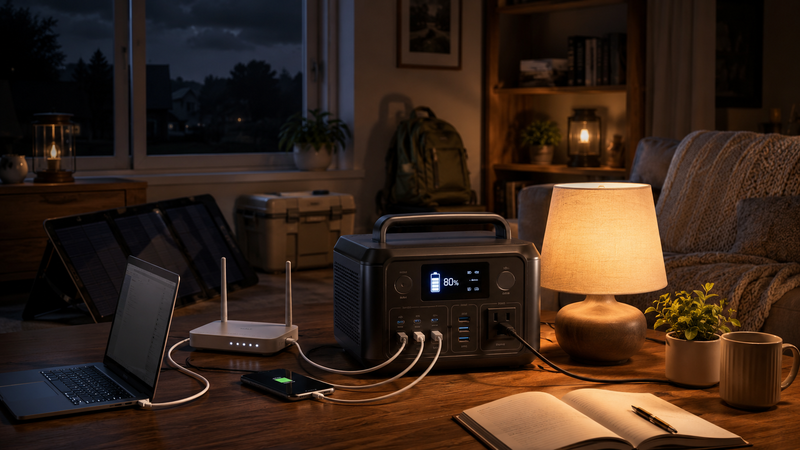
A few years ago, portable power stations looked like a niche product for campers, van-life creators, and people who spent a lot of time outdoors. Today, they are becoming something much more ordinary: a practical backup tool for regular homes.
The reason is simple. Modern life depends on electricity more than most people notice until the power goes out. A phone, laptop, Wi-Fi router, light, small fridge, security camera, medical device, or work setup can become useless during an outage. Even a short blackout can interrupt work, communication, food storage, and basic comfort.
That is why more households are starting to treat portable power stations as part of basic home readiness, not as a luxury gadget.
The Problem Is Not Just Long Blackouts
When people think about emergency power, they often imagine dramatic situations: storms, natural disasters, or several days without electricity. Those situations matter, but they are not the only reason portable power stations are useful.
Many real problems are smaller and more common:
a few hours without power during bad weather;
internet going down because the router has no backup;
a laptop battery dying during remote work;
lights and phones needing power during an evening outage;
food or medicine needing stable cooling;
outdoor work where there is no easy outlet nearby.
In these situations, a portable power station does not need to power the whole house. It only needs to keep the most important devices running long enough to avoid disruption.
That is the main shift. People are not buying them only because they want a full off-grid lifestyle. Many are buying them because they want a simple backup layer between normal life and complete inconvenience.
Why Portable Power Stations Feel More Practical Than Before
Older backup power solutions often felt complicated. Gas generators can be powerful, but they also bring noise, fuel storage, fumes, maintenance, and safety concerns. They are useful in the right situation, but they are not always convenient for apartments, small homes, quick outages, or indoor device backup.
Portable power stations solve a different kind of problem. They are usually quieter, easier to store, and simpler to use. You charge the unit, keep it ready, and plug in the devices you need when the power goes out.
For many people, that simplicity matters more than maximum power.
A portable power station can be useful for:
keeping phones and laptops charged;
powering a Wi-Fi router during a short outage;
running LED lights;
supporting cameras, tablets, or small electronics;
helping with camping, road trips, or outdoor work;
acting as a starter backup system before investing in a bigger energy setup.
This is also why interest has grown so quickly. The product fits many different lifestyles at once: homeowners, renters, remote workers, campers, creators, small business owners, and people preparing for emergencies.
A good visual explanation of this trend is the video “Why Everyone Is Buying Portable Power Stations”:
Remote Work Made Backup Power More Important
One major reason portable power stations became more relevant is remote work. When work depends on a laptop and internet connection, electricity becomes part of productivity.
A short outage may not seem serious, but it can still cause problems if it happens during a meeting, deadline, upload, client call, or online class. In that situation, even one or two hours of backup power can make a big difference.
A portable power station does not need to run every appliance in the house. For remote work, it may only need to support:
a laptop;
a phone;
a router;
a desk lamp;
a monitor, if needed.
That small setup can keep someone working while the rest of the house is temporarily without power. For freelancers, students, online workers, and small business owners, this can be more than convenience. It can protect income, communication, and reputation.
Blackout Readiness Is Becoming Normal
Another reason portable power stations are becoming home essentials is that emergency preparation is becoming more mainstream. People are not necessarily preparing for extreme scenarios. They simply want fewer surprises.
A basic blackout kit might include water, flashlights, a power bank, some food, first-aid supplies, and important documents. A portable power station adds a stronger energy layer to that kit.
It can help keep essential devices available when the grid is unstable. It can also reduce panic because the household has a plan. Instead of immediately worrying about dead phones, dark rooms, or lost internet, people can plug in the most important devices and manage the situation calmly.
This is especially useful for families, people who work from home, and anyone who lives in an area where outages happen often enough to be annoying.
Portable Power Also Fits Everyday Life
One reason these devices are popular is that they are not only for emergencies. A product that sits unused for years is harder to justify. A portable power station can be used regularly.
People use them for:
camping and weekend trips;
backyard projects;
outdoor movie nights;
charging camera gear;
working from a patio, garage, shed, or remote location;
powering tools or lights where extension cords are inconvenient;
supporting small off-grid cabins or seasonal retreats.
This everyday usefulness makes the purchase feel more reasonable. The device is not just “insurance” against a blackout. It becomes a flexible power source for normal life.
That is a big part of the appeal. A portable power station can move between emergency use, work use, travel use, and hobby use without needing a complicated setup.
Solar Charging Makes the Idea Even Stronger
Many portable power stations can also be paired with solar panels. This does not automatically turn them into a full home power system, but it does make them more useful during longer outages or off-grid use.
Solar charging is especially attractive for people who want a cleaner and quieter alternative to fuel-based backup. It also helps in places where storing fuel is inconvenient or unsafe.
For a small cabin, shed, remote workspace, or weekend retreat, a portable power station with solar panels can be a practical first step. It lets people test their real energy needs before committing to a larger solar installation.
That is why portable power stations often appear in discussions about off-grid living. They are not always the final solution, but they can be the easiest starting point.
What to Think About Before Buying One
The biggest mistake is buying a portable power station without knowing what it needs to run. Capacity and wattage matter. A small unit may be enough for phones, lights, and a laptop. A larger unit may be needed for a fridge, power tools, or longer backup time.
Before buying, it helps to ask a few simple questions:
What devices do I actually need during an outage?
How many hours should they run?
Do I need solar charging?
Will I use it indoors, outdoors, or both?
Is weight important?
Do I need many ports or just a few?
Do I want emergency backup only, or regular everyday use too?
These questions make the choice more practical. Instead of buying because a product looks popular, the buyer can match the power station to real needs.
Why This Trend Will Probably Continue
Portable power stations are becoming popular because they match several modern problems at once. People rely on electricity more than ever. Remote work is common. Weather disruptions feel more noticeable. Outdoor lifestyles are popular. Small off-grid projects are growing. At the same time, people want backup power that is quieter and simpler than traditional generators.
That combination makes portable power stations easy to understand. They are not just camping gear anymore. They are becoming part of the modern home toolkit.
For many households, the goal is not to power everything. The goal is to keep the essentials running: communication, light, internet, work devices, and small critical appliances.
That is why portable power stations are moving from “nice to have” to “worth considering.” They offer a simple answer to a very modern problem: life stops quickly when the power disappears.
Comments
No comments yet. Be the first to comment!